
Mohit Yadav

Mohit Yadav
Psychogeography for Designers

Psychogeography for Designers

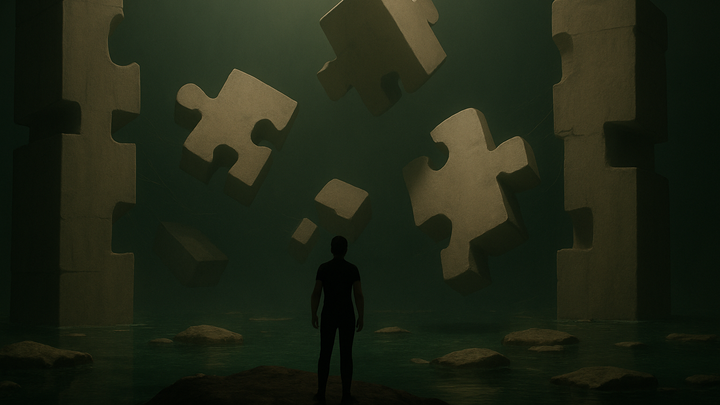
Psychogeography helps designers see that people do not experience places in a neutral way. Every environment shapes mood, attention, movement, and choice. To understand design deeply, we must study not just users, but the emotional force of context.


Date
Apr 09, 2026
Friction vs Foundation in design teams.

Friction vs Foundation in design teams.

What weakens design first is rarely the obstacle you can point at. It is often the ground beneath it. A useful way to rethink why teams break, adapt, or grow.

Date
Mar 11, 2026
Designers as observers of the unseen.

Designers as observers of the unseen.

Great design often begins before users say anything at all. In the pause, the hesitation, the unspoken discomfort, there is a signal. The best designers do not just study behaviour. They learn to notice what escapes the chart.

Date
Mar 07, 2026
Your medium makes your decisions.

Your medium makes your decisions.

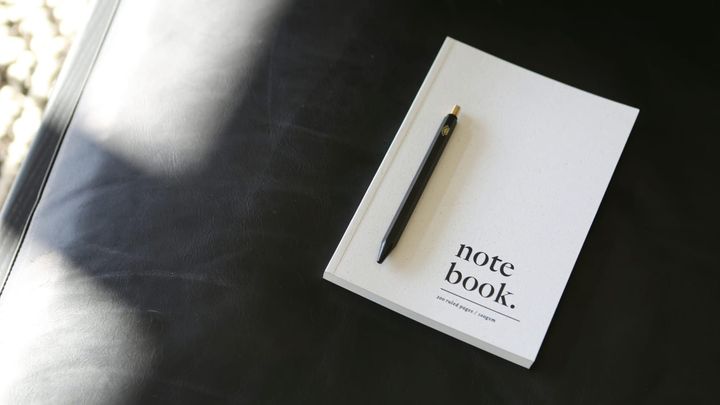
Your notebook isn’t just holding your ideas. It’s steering them. Page size, friction, and even how erasable a mark feels can push you toward commitment or endless iteration, clarity or chaos. Change the surface, and you may notice your decisions change first.

Date
Mar 05, 2026
Care without clinging.

Care without clinging.

Care deeply, but don’t cling. Detachment keeps you adaptable, trusted, and in the game longer than any single design.

Date
Aug 15, 2025
Seeking before solving: a designer's path to deeper impact.

Seeking before solving: a designer's path to deeper impact.

The best designers slow down. They observe, ask better questions, and notice what others miss. They don’t just solve problems, they seek truths. Design is not about speed or cleverness, but about seeing clearly and making sense of what truly matters.

Date
Jun 20, 2025
The seven-mile skill: a full altitude approach to design.

The seven-mile skill: a full altitude approach to design.

Great designers think big and work small. They can shape strategy and fine-tune pixels. This range from vision to detail is the seven-mile skill. It is what turns ideas into real, usable products that feel right at every level.

Date
Jun 13, 2025
Experience design earns its stripes when things break.

Experience design earns its stripes when things break.

Most products are built for when things go right. However, real users encounter errors, slowdowns, and unexpected issues every day. Great design helps them recover, not blame them. That’s how trust is built. Designing for failure is not extra work. It is what makes the experience strong.

Date
Jun 09, 2025
Delusion is a design skill.

Delusion is a design skill.

Designers see more than what is there. They imagine what could be. Bold ideas may seem strange at first, but belief fuels progress. Design isn’t just vision. It’s turning belief into reality.

Date
Jun 05, 2025
Start where you are, design what can be.

Start where you are, design what can be.

Great designers work patiently with the present, while imagining better futures. Real change starts by understanding the company as it is, with all its constraints, people, and processes. Design what exists today, while patiently shaping what could be tomorrow.

Date
Jun 05, 2025
From skateboards to spaceships: Gall’s law in design

From skateboards to spaceships: Gall’s law in design

Gall’s Law states that complex systems that work usually evolve from simpler ones that already function well. For designers, this means starting small, testing often, and letting complexity emerge from real use. Simplicity is not a shortcut but the foundation of something great.

Date
Jun 03, 2025
What comes first: the design or the data?

What comes first: the design or the data?

Designing from data refines what’s known; designing to generate data explores what’s unknown. One optimises, the other discovers. Great design balances grounded insight and bold experimentation to create meaningful, resilient outcomes.

Date
May 22, 2025