Designscape - Coorg 2026

Design is Conditioning, Culture, and Consequences
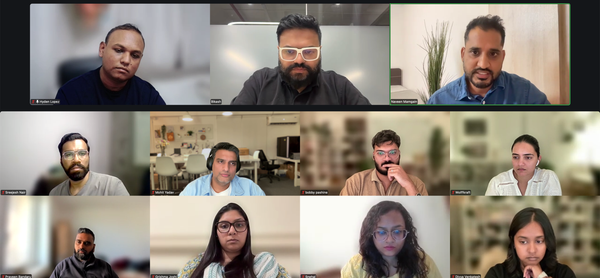
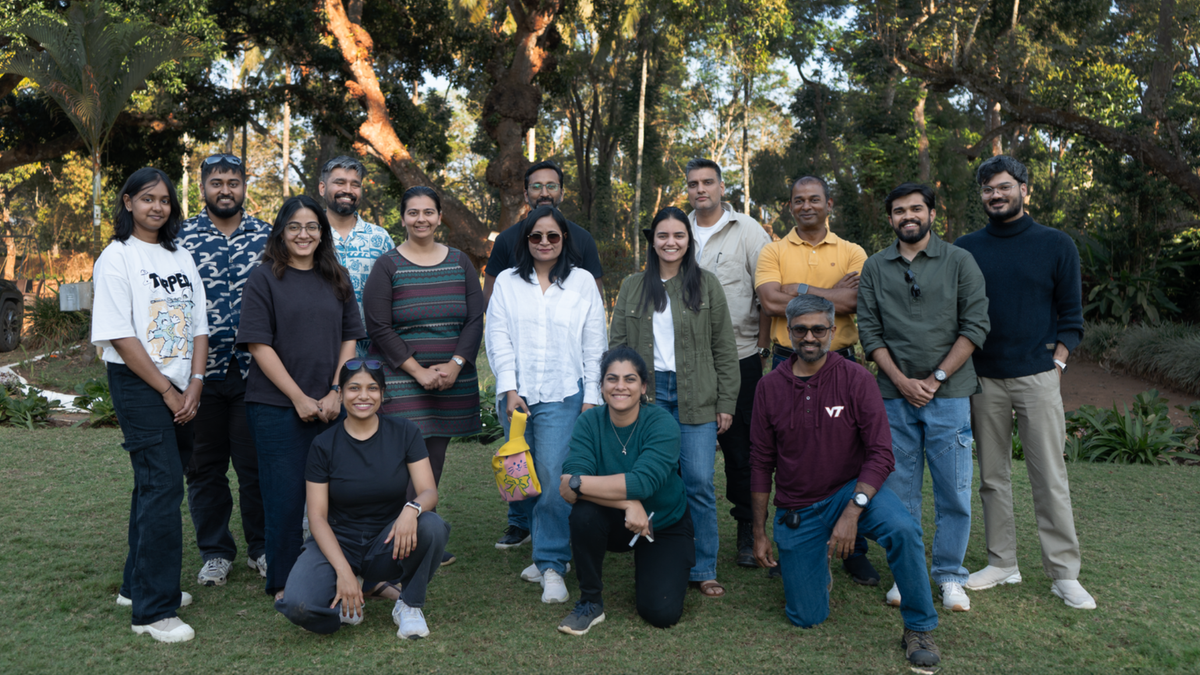
In Jan 2026, the Extended Pack Collective hosted an EPC retreat in Coorg, bringing together 6 Design Leaders and 10 practising designers from across the ecosystem. A vibrant mix that created the kind of energy you can’t manufacture in a meeting room.
Design leaders from LinkedIn, Samsung, Flipkart, Atlassian, ServiceNow, and Wolffkraft hosted advisory sessions, workshops, and brainathons for the collective. And we had practising designers joining from Satsure, Havells, Uber, Ather Energy, Rapido, and Wolffkraft — bringing real problems, real stories, and real craft to the table.
Over 3 nights and 4 days, we moved between structured and unstructured learning: advisory circles, brainathon-style workshops, panel conversations, and curation exercises — all anchored around what it actually takes to do meaningful design: creativity with clarity, collaboration without chaos, and delivering high-quality, curated value.
And in between, we did what retreats should allow you to do: wind down, drink great coffee, visit the estate, do tastings, read together, and share stories and fables that unexpectedly opened up some of the best conversations.
Across this pack of designers, we also explored a wide range of interesting angles, topics, and perspectives, the kind that only emerge when you put sharp minds in the same room and give them time, space, and trust.
The following blog is a brief documentation that touches on the topics we discussed and brainstormed, and offers food for thought for the wider design community.
Three core areas were discussed
- Your idea of “good design” is partially inherited (from culture, community, upbringing, workplace norms).
- Your org’s culture is not a vibe—it’s a set of repeated behaviours, power signals, and language defaults.
- The things we ship outlive our intent—and we need a stronger stance on accountability, especially in an AI-heavy future.
This blog expands on those themes with frameworks and practical prompts you can use with your teams.
1) “Good design” is often cultural conditioning
The core prompt:
“One believes things because one has been conditioned to believe them. How much of what we consider good design is cultural conditioning?”
“Good” is not universal. It’s contextual.
What feels clean, premium, efficient, or trustworthy changes by:
- Market maturity
- Social norms
- Literacy and language comfort
- Infrastructure realities (payments, identity, delivery, fraud)
- Aesthetics shaped by local visual culture
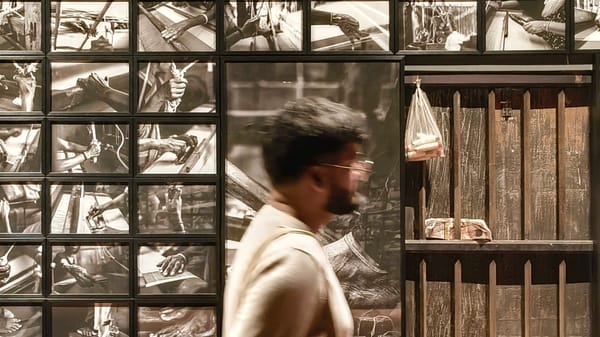
A striking example raised was the contrast between high-detail, symmetrical, ornate visual environments (temples, rangoli, intricate craft traditions) versus Western minimalism and abstraction. Many of us grow up internalising one as “good taste,” until exposure expands the palette.
What changes as you mature isn’t taste. It's range.
You don’t lose your original conditioning but, learn how to notice it, bracket it, and choose when to use it.
The “first draft” problem: your conditioning shows up twice
A useful observation: a designer’s conditioning often appears:
- In the first draft (default instincts, “what I would want”)
- In the final polish (taste, signature, finishing decisions)
Between those two points, the designer tries to “become the user,” apply research, context, constraints, and iteration. But the fingerprint returns at the end: spacing, phrasing, hierarchy, restraint (or richness), what feels “done.”
Takeaway for designers: Don’t pretend you can eliminate bias. Build the muscle to surface it early, and then deliberately decide where it belongs.