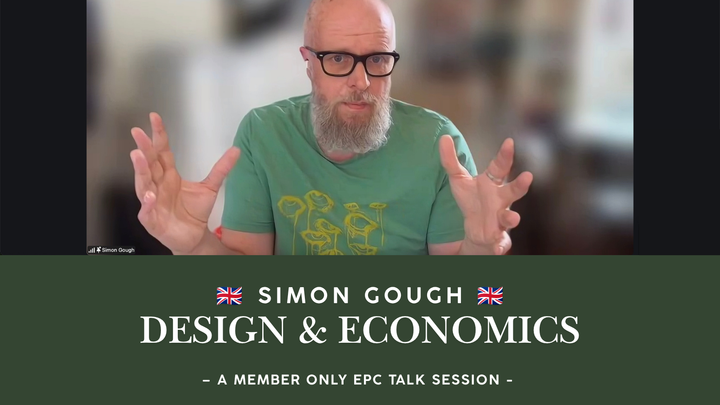
Design is an economic act. What EPC’s conversation with Simon Gough reveals about strategy, value, metrics, and the future role of design.
Designers as observers of the unseen. Great design often begins before users say anything at all. In the pause, the hesitation, the unspoken discomfort, there is a signal. The best designers do not just study behaviour. They learn to notice what escapes the chart.
Start where you are, design what can be. Great designers work patiently with the present, while imagining better futures. Real change starts by understanding the company as it is, with all its constraints, people, and processes. Design what exists today, while patiently shaping what could be tomorrow.
From skateboards to spaceships: Gall’s law in design Gall’s Law states that complex systems that work usually evolve from simpler ones that already function well. For designers, this means starting small, testing often, and letting complexity emerge from real use. Simplicity is not a shortcut but the foundation of something great.
Good enough: a strategy, not mediocrity. Embracing “good enough” doesn’t mean lowering standards. It means solving the right problems without over-engineering. It’s a mindset that values clarity, function, and momentum over perfection, often leading to smarter, more sustainable outcomes.